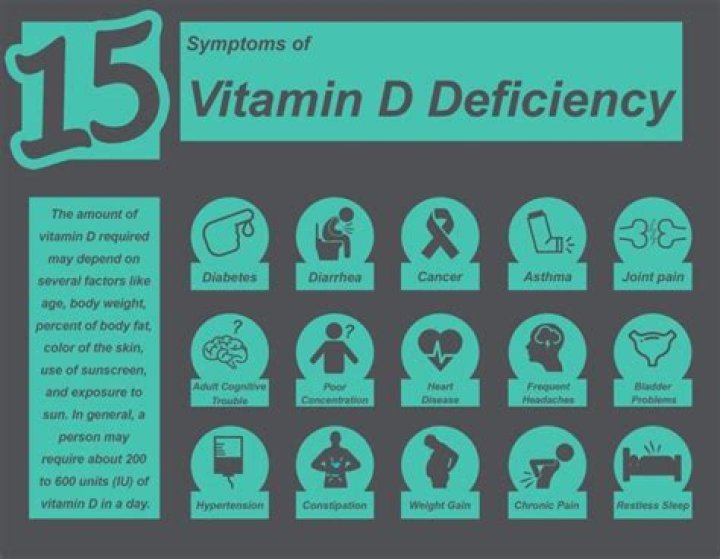
Vitamin D helps with strong bones and may help prevent some cancers. Symptoms of vitamin D deficiency can include muscle weakness, pain, fatigue and depression.
...
Signs and symptoms might include:
- Fatigue.
- Bone pain.
- Muscle weakness, muscle aches, or muscle cramps.
- Mood changes, like depression.
What happens when vitamin D is too low?
Vitamin D deficiency can lead to a loss of bone density, which can contribute to osteoporosis and fractures (broken bones). Severe vitamin D deficiency can also lead to other diseases. In children, it can cause rickets. Rickets is a rare disease that causes the bones to become soft and bend.
What are the 14 signs of vitamin D deficiency?
These include:
- Aching Muscles. Aching muscles can be a sign of vitamin D deficiency because this nutrient is essential for keeping your muscles healthy. ...
- Painful Bones. ...
- Fatigue. ...
- Reduced Endurance. ...
- Low Moods. ...
- Problems Sleeping Well. ...
- Sweaty Head. ...
- Losing Hair.
How can I raise my vitamin D levels quickly?
You can raise your vitamin D levels quickly in three main ways: Getting outside and exposing your skin to sunlight. Taking a vitamin D supplement.
...
Eat foods rich in vitamin D
- Cod liver oil*
- Trout*
- Salmon*
- Mushrooms*
- Fortified dairy and non-dairy milks.
- Fortified cereals.
- Sardines.
- Eggs.
How can I check my vitamin D levels at home?
At-home tests typically have you prick and squeeze a finger to collect a smaller blood sample. It's easier to measure 25-OH D because it lasts longer in the bloodstream, around 14 days. It's also easier to detect changes in 25-OH D levels that are associated with vitamin D deficiency.
Does vitamin D affect sleep?
Research links vitamin D levels to sleep quality. In fact, several studies associate low levels of vitamin D in your blood to a higher risk of sleep disturbances, poorer sleep quality and reduced sleep duration ( 9 , 10 , 11 ).
Why would vitamin D be low?
(Rickets; Osteomalacia) Vitamin D deficiency is most commonly caused by a lack of exposure to sunlight. Some disorders can also cause the deficiency. The most common cause is lack of exposure to sunlight, usually when the diet is deficient in vitamin D, but certain disorders can also cause the deficiency.
Does low vitamin D cause weight gain?
A vitamin D deficiency is unlikely to cause weight gain. However, it may cause other health problems or unpleasant symptoms, which are worth avoiding. You can maintain adequate vitamin D levels through a combination of limited sun exposure, a vitamin-D-rich diet, and taking vitamin D supplements.
Does vitamin D reduce belly fat?
In addition to reducing belly fat, taking vitamin D for weight loss has important implications in musculoskeletal health. A 2017 study found that combining vitamin D with aerobic exercise and resistance training can result in more calorie loss than exercise alone.
Is vitamin D deficiency serious?
If left untreated over time, vitamin D deficiency can lead to serious bone disorders. For example, severe and long-term vitamin D deficiency may result in rickets or osteomalacia.
What kind of conditions would you expect to see in someone with chronically low vitamin D levels?
Newer studies suggest low levels of vitamin D can be linked to numerous health problems including diabetes, pain in your muscles and bones, high blood pressure, multiple sclerosis and even some types of cancer. Studies of children receiving vitamin D supplements during the winter suggest a reduced risk of influenza A.
Can lack of vitamin D cause dizziness?
Vitamin D deficiencies can also result in bone diseases such as rickets in children and osteomalacia and osteoporosis in adults. But you may not be aware that if you're not getting enough vitamin D, you may also suffer from dizziness, headaches, and yes, low energy and fatigue.
Can lack of vitamin D cause leg pain?
A vitamin D deficiency can affect both physical and mental health, but many people have low levels of vitamin D without realizing. The physical symptoms of a deficiency may include muscle pain in the joints, including rheumatoid arthritis (RA) pain, which often occurs in the knees, legs, and hips.
Can low vitamin D levels cause shortness of breath?
Also, they found that patients with vitamin D deficiency had significantly higher scores in the Modified Medical Research Council Dyspnea Scale, which indicates more severe shortness of breath, compared to those who were not vitamin D deficient.
Can lack of vitamin D cause anxiety?
Research indicates that there is a strong link between vitamin D deficiency and anxiety as well as depression. Individuals struggling with a mental illness may turn to problematic behavior to mask the pain.
Does vitamin D affect hair?
One role vitamin D plays is stimulating new and old hair follicles. When there isn't enough vitamin D in your system, new hair growth can be stunted. Vitamin D deficiency has been linked to alopecia, the autoimmune condition that causes bald patches on the scalp and other areas of the body.
When should I take vitamin D morning or night?
The most important step is to adjust your vitamin D intake routine and do it consistently for maximum effectiveness. You can take them with breakfast, or a bedtime snack if it doesn't affect the quality of your sleep.
Which of the following illnesses can be caused by a lack of vitamin D?
Severe lack of vitamin D causes rickets, which shows up in children as incorrect growth patterns, weakness in muscles, pain in bones and deformities in joints.
Can vitamin D deficiency cause neck and shoulder pain?
Vitamin D deficiency and insufficiency can cause or worsen neck and back pain and muscle spasm.
Can low vitamin D cause back pain?
Bone and lower back pain may be symptoms of inadequate vitamin D levels ( 17 , 18 ). Vitamin D helps maintain bone health by improving your body's absorption of calcium. One study in 98 adults with lower back pain linked lower levels of vitamin D to more severe pain.
Can lack of vitamin D cause tingling?
Other symptoms of vitamin D deficiency include depression and pins and needles, tingling or burning sensation in the hands, feet and toes.
How long does it take to recover from vitamin D deficiency?
“If you put people on 2,000-4,000 [milligrams] of vitamin D based on what their deficient value was, you can usually get them corrected in four to six weeks, which is when you are really going to need the vitamin D.
Can low vitamin D cause high blood pressure?
Vitamin D deficiency may be linked to heart disease and an increased risk of high blood pressure (hypertension).
Which is the best fruit for vitamin D?
Orange. There are limited Vitamin D fruits. Around 75% of the people worldwide are either allergic to dairy products or are lactose intolerant, and some of them are vegan. So, orange or orange juice is the best option with vitamin D and other nutrients such as calcium.
What stops the absorption of vitamin D?
Some factors that may reduce or block its absorption include: Conditions such as celiac disease, chronic pancreatitis, Crohn's disease, and cystic fibrosis. These can all affect the intestines, preventing them from absorbing vitamin D found in food.