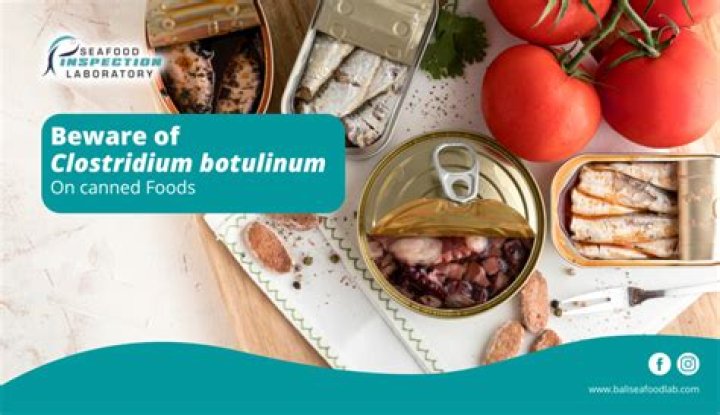
The botulinum toxin has been found in a variety of foods, including low-acid preserved vegetables, such as green beans, spinach, mushrooms, and beets; fish, including canned tuna, fermented, salted and smoked fish; and meat products, such as ham and sausage.
What are the food sources of botulism?
Low-acid foods are the most common sources of botulism linked to home canning. These foods have a pH level greater than 4.6. Low-acid foods include most vegetables (including asparagus, green beans, beets, corn, and potatoes), some fruits (including some tomatoes and figs), milk, all meats, fish, and other seafood.What is the most common way to get botulism?
botulinum. The most common way this happens is when a contaminated illicit drug, such as black tar heroin, is injected into muscle or skin. Wound botulism also has been reported following traumatic injuries, such as motorcycle crashes and surgeries.What are the 3 types of botulism?
There are three types of botulism: food, wound and infant botulism.What are the 5 main kinds of botulism?
Human botulism may refer to foodborne botulism, infant botulism, wound botulism, and inhalation botulism or other types of intoxication. Foodborne botulism, caused by consumption of improperly processed food, is a rare but potentially fatal disease if not diagnosed rapidly and treated with antitoxin.Botulism (Clostridium Botulinum) Pathogenesis, Symptoms, Diagnosis, Treatment, Prevention
How does food get contaminated with botulism?
Foodborne botulism. Many cases of foodborne botulism have happened after people ate home-canned, preserved, or fermented foods that were contaminated with toxin. The foods might have become contaminated if they were not canned (processed) correctly.What foods are most frequently associated with botulism quizlet?
Highly acidic food, like orange and grapefruit juice, are most commonly associated with botulism.How do you get botulism from canned food?
Since the canning process forces air out of food, the C. botulinum bacteria may find incorrectly or minimally processed canned foods a good place to grow and produce the toxin. Low-acid vegetables such as green beans, corn, beets, and peas, which may have picked up C. botulinum spores from the soil, are at risk.Which of the following types of foods are most commonly associated with foodborne illnesses?
Raw foods of animal origin, that is, raw meat and poultry, raw eggs, unpasteurized milk, and raw shellfish are the most likely to be contaminated.Where is botulism commonly found?
Causes and types of botulismClostridium botulinum bacteria are found in soil, dust and river or sea sediments. The bacteria themselves aren't harmful, but they can produce highly poisonous toxins when deprived of oxygen, such as in closed cans or bottles, stagnant soil or mud, or occasionally, the human body.
Where is botulism most common in the world?
Toxin B is found most commonly in the eastern United States. Toxin E is found in northern latitudes, such as the Pacific Northwest, the Great Lakes region, and Alaska. The frequency of botulism in native Alaskans is among the highest in the world. Toxin E outbreaks are frequently associated with fish products.What causes botulism bacteria?
Botulism poisoning is due to a toxin produced by a type of bacteria called Clostridium botulinum. Although very common, these bacteria can only thrive in conditions where there's no oxygen. Certain food sources, such as home-canned foods, provide a potent breeding ground.What are the 5 most common causes of foodborne illness?
These are the top five risk factors contributing to foodborne illness:
- Food from unsafe sources.
- Inadequate cooking.
- Improper hot/cold holding temperatures.
- Contaminated equipment.
- Poor personal hygiene.
What are the 5 foodborne Illnesses?
The top five germs that cause illnesses from food eaten in the United States are:
- Norovirus.
- Salmonella.
- Clostridium perfringens.
- Campylobacter.
- Staphylococcus aureus (Staph)
What are the 6 food borne diseases?
6 Common Foodborne Illnesses & How to Prevent Them
- Norovirus.
- Salmonella.
- Clostridium perfringens.
- Campylobacter.
- E. coli.
- Listeria.
Can you get botulism from vegetables?
Home-canned vegetables are the most common cause of botulism outbreaks in the United States. From 1996 to 2014, there were 210 outbreaks of foodborne botulism reported to CDC. Of the 145 outbreaks that were caused by home-prepared foods, 43 outbreaks, or 30%, were from home-canned vegetables.What canned foods?
Common canned foods include fruits, vegetables, beans, soups, meats, and seafood.
- Canning is a method used to preserve foods for long periods. ...
- Some nutrient levels may decrease as a result of the canning process, while others may increase. ...
- Canned foods are a convenient and affordable source of essential nutrients.
What happens if a baby eats honey?
The primary risk of introducing honey too soon is infant botulism. Babies under 6 months of age are at the highest risk. While this condition is rare, most of the cases reported are diagnosed in the United States. A baby can get botulism by eating Clostridium botulinum spores found in soil, honey, and honey products.Which of the following foods is most likely to be contaminated with botulism quizlet?
Foods with a low acid content are especially likely to have the botulism bacteria. These foods include asparagus and home-canned foods such as potatoes, green beans, beets, and corn that have not been canned properly.What is the best way to prevent botulism in food handling?
You can help prevent botulism by following safe food handling practices, such as:
- refrigerating leftovers promptly.
- using foods that are stored in oil within 10 days of opening.
- keeping foods stored in oil, like vegetables and herbs, in the fridge.
- making sure products marked 'keep refrigerated' are kept in the fridge.
