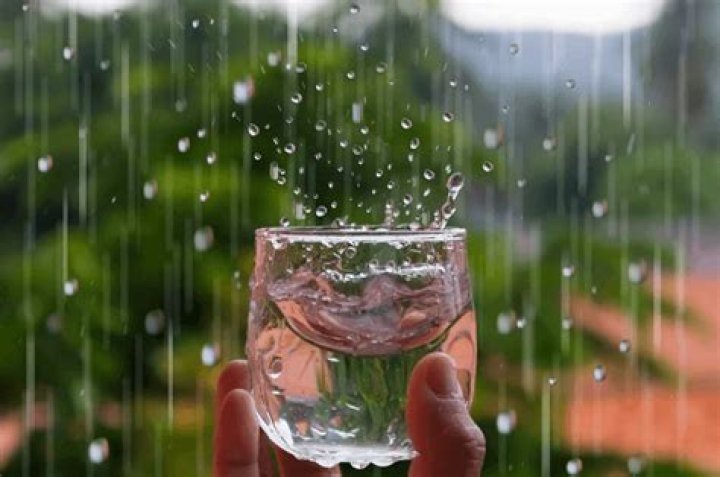
Rainwater that falls in heavily polluted areas or comes into contact with contaminants, such as animal feces or heavy metals, may not be appropriate for human consumption ( 2 ). Thus, it's not advisable to start collecting and drinking rainwater unless you're 100% certain it's clean and safe for human consumption.
Can I boil rain water and drink it?
Despite the fact that rainwater is safe on its own---provided you don't drink it near chemical plants and areas of high pollution--- it might still be a good idea to filter it before you drink it. You can also boil it to make sure you're killing off and pollen or bacteria that may be lingering.Can you purify rain water?
Chemical TreatmentIf you cannot boil rainwater, the World Health Organization advises filtering it first, then disinfecting it with chemicals. Commercial water purification products that use either chlorine or iodine are widely available.
How do you collect drinkable rainwater?
To start collecting rainwater, build a rain barrel from a plastic drum to catch the water. Attach the rain barrel to a downspout from your home's roof along with filter diverters to get rid of some of the contaminants. After you have enough water in the barrel, be sure to filter and disinfect it so it's potable!How do you make rainwater drinkable at home?
Rainwater can be filtered for drinking as long as you have a clean catchment surface and you use a proper filter. Water for the whole house can be filtered using a uv filter or quantum filtration system or you can use a gravity filter such as a Berkey Water Filter just for your drinking water.Is Rainwater Safe to Drink?
Why is rainwater illegal?
The water rights and laws of the arid Western US states go back 150 years to when it was a case of first come, first served for everything from land to gold digging claims to water rights. So a homeowner is deemed not to own the rainwater that falls on their property and it must not be harvested.Why is drinking rainwater safe?
However, when rainwater falls from the sky, substances from the air and land melt into the rainwater. Fortunately, when rainwater soaks into the ground, it then becomes mineral water. This water (groundwater) is relatively safe for drinking.Is rain water dirty or clean?
Most rain is perfectly safe to drink and may be even cleaner than the public water supply. Rainwater is only as clean as its container. Only rain that has fallen directly from the sky should be collected for drinking. It should not have touched plants or buildings.How long is rain water good for?
You probably know the benefits of using rainwater for plants, but how long can you keep it and use it on your plants? Generally, rainwater will become contaminated after about one week. You can prolong its lifetime indefinitely by keeping it out of the light and from animal and insect contact.Can you drink rainwater from roof?
Rainwater is the cleanest source of water that is available in nature today. As it falls from the sky, it is safe to drink, anywhere in the world.Is rainwater safe to bathe in?
Most people are comfortable with washing clothes or flushing toilets using rainwater. But experts say that rainwater is completely safe for bathing and showering. Also, bathing in rainwater has some great health advantages. Rainwater is soft by nature, this means there are less minerals dissolved in it than hard water.Can rainwater make you sick?
Cold weather correlates with colds but rain cannot cause you to catch a cold. To limit your chance of catching a cold, wash your hands or sanitize them after touching things that others with a virus may have touched.Can you drink snow?
It is generally safe to eat snow or use it for drinking or for making ice cream, but there are some important exceptions. If the snow is lily-white, you can safely ingest it. But if the snow is colored in any way, you'll need to stop, examine its color, and understand what it means.Which is the safest and cleanest source of water?
Possible sources of water that could be made safe by treatment include:
- Rainwater.
- Streams, rivers, and other moving bodies of water.
- Ponds and lakes.
- Natural springs.
