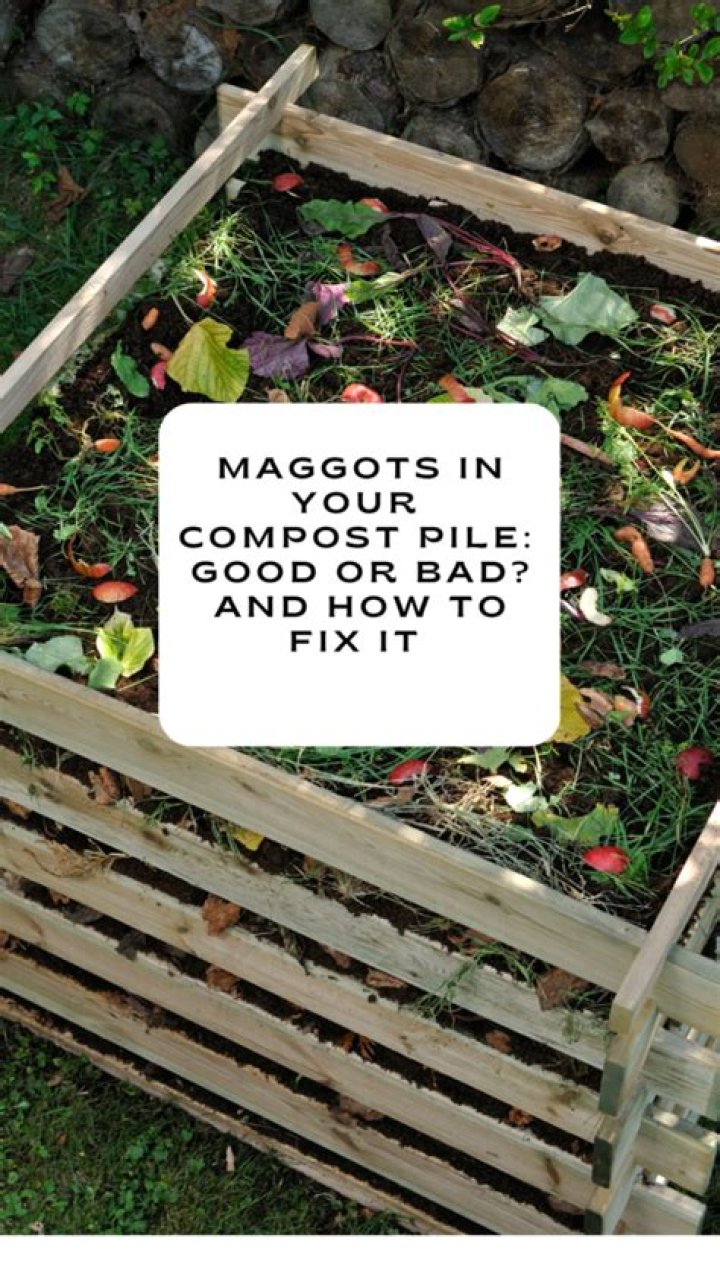
Is it OK to Have Maggots in my Compost? Yes, to a degree. You don't want a massive infestation or they'll take out too many nutrients, but some will help accelerate your composting and make sure it's ready for the next season. The reason to get rid of them is if there's too many or you just find it gross.
Do maggots ruin compost?
The maggots are known to break down organic material in the pile so it can further decompose. And the flies inoculate the compost with beneficial bacteria from other sources.Do maggots eat worms in compost?
Some worm farmers will elect to leave the black soldier fly larvae in their bins, since they neither feed on worms, nor significantly impact their ability to feed.What to do if you have maggots in your worm farm?
There are flies or maggots in the farm!Avoid meat in worm farms, and make sure you are not over-feeding your new pets. If maggots do turn up, get rid of them by placing a piece of bread soaked in milk on the surface of the farm and remove after a couple of days.
Are white maggots harmful?
Eating maggots or maggot-infested food can cause bacterial poisoning. Most foods that have maggots aren't safe to eat, especially if the larvae have been in contact with feces. Some houseflies use animal and human feces as breeding sites. They also breed on garbage or rotting organic material.Are Maggots in Your Compost Good or Bad?
How long do maggots live in compost?
The adults typically emerge, mate with one another, and ultimately perish all in the span of two days. The female Black Soldier Fly typically seeks out nitrogen-rich materials, such as a compost pile, to feed and lay their eggs.Is it OK to have flies in compost?
People often complain about tiny flies in and around their compost heap. The first thing to remember is that THIS IS NATURE AT IT'S WORK! These little flies, along with the other microbes, ants, worms and bacteria in the bin help to decompose the organics.How do I keep white worms out of my compost bin?
If you want to avoid having flies and maggots in your compost pile, make sure you have enough shredded paper and organic "brown" material in the bin to cover the nitrogen sources. In a worm bin, you should bury food scraps at least 3-4 inches down.Are maggots good for plants?
Maggots are usually good for soil and are very helpful in creating rich, nutritious compost to add to your garden soil. The exception is vegetable root fly larvae which are harmful to plants but can be controlled with pesticides. A common beneficial maggot is larvae from the black soldier fly.Why are there maggots in my soil?
Root Maggot LifecycleVegetable root maggots are the larva of a type of fly called a root maggot fly. There are several kinds with different preferred host plants. The eggs of these root eating insects are laid in the soil and hatch into larva. The larva are the little worms you see on the roots of your plant.
Why do worms climb to the top of the compost bin?
Thunderstorms and other rapid climate changes will force your worms to the top of their bin. Remember, worms breathe through their skin, so if they sense a chance of rain, they're going to move accordingly to keep themselves from drowning.Should my compost have worms?
Do I need to add worms to my compost pile? You do not need to add worms to your compost pile. Outside, composting happens with and without the help of earthworms. Worms will usually find their own way to a compost pile.What do compost worm eggs look like?
Luckily, when they are first dropped, they are distinctly yellow. Not bright, but obvious against the dark rich soil of the worm bin. In time, they darken to a rich maroon color and blend right in. “Before you use your worm compost, let it dry just enough that it will break up when sifted.Why is my compost bin full of white flies?
This is a common problem in summer. When you put fresh kitchen waste on the compost heap, flies lay eggs in it, and it is the hatched babies that form a delightful fly-cloud each time you disturb the heap.Can you put vinegar in a compost pile?
Can Vinegar Go in The Compost? Yes, vinegar can go in the compost. Vinegar is made from a variety of diluted alcohol products, the most common being wine, beer, and rice.Why are there so many flies in my compost bin?
These little flies are vinegar flies or drosophila, and the reason why they're found in the compost bin or worm farm is because they feed on and breed in rotting fruit and vegetable matter, and their larvae (maggots) feed on micro-organisms. They're short-lived, with a lifespan of around 50 days.How long before maggots turn into flies?
Maggots will only feed for three to five days. The process from egg to fly takes anywhere from 14 to 36 days and, if the material is still in an edible state, the process may start all over again. If the material isn't properly disposed of, then an infestation will only continue to get worse.Do maggots carry diseases?
Salmonella and Escherichia coli are examples of bacteria that flies and maggots may transmit to humans.What kind of bugs are okay in compost?
- Compost Critter Description.
- How many do you have?
- Pill Bug or Roly Poly.
- Centipede.
- Millipede.
- Sow Bug.
- Tiger or Red wriggler worm.
- Worm cocoon.
