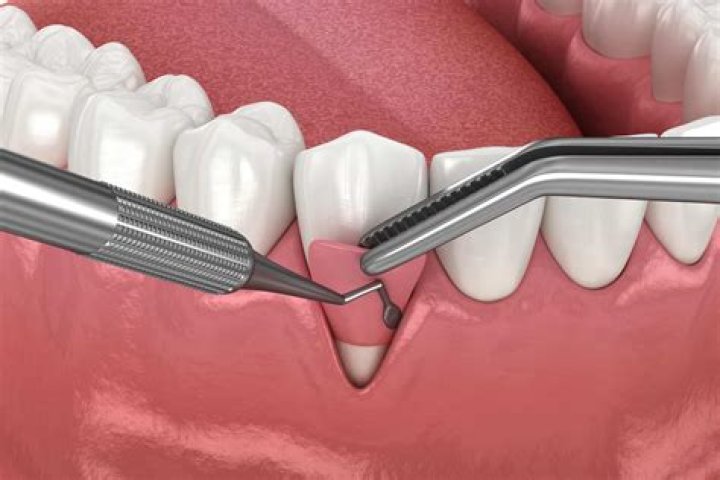
Gum grafting procedure pain
The actual gum grafting procedure is painless. This is because a local anesthetic is used to numb the affected area. A periodontist, who is a dental specialist in gum disease and the gums, typically performs this procedure.How long does it take to recover from a gum graft?
Gum grafting recoveryHealing usually is quick. Most patients are fully healed in just one to two weeks. Most people do return to work the day after their procedure though. After gum grafting, your teeth may feel more sensitive than usual.
Is gum graft surgery worth it?
Gum grafting is a highly safe and effective procedure; it has been tested and proven successful in treating countless cases of receding and thinning gums due to aggressive brushing and gum disease. Still, complications and infections may occur, especially without proper post-op care.Are you awake for gum grafting?
The Gum Graft ProcedureA gum graft is an easy procedure. You will receive sedatives so you will not feel any pain or discomfort during the process. You may receive local anesthesia that keeps you awake while numbing your gums. Your dentist will then extract some tissue from your mouth.
Why are gum grafts painful?
The reason it's more painful is that they harvest the donor tissue from the surface of the roof of the mouth. This leaves the underlying gum tissues completely exposed and therefore in pain. Connective tissue grafting – this procedure is significantly less painful than a free gingival graft.Do gum grafts hurt? Pain from gum grafting?
How long does gum graft hurt?
Mild pain was most common, being reported 70.3 percent of the time. Moderate to severe pain was reported 29.7 percent of the time. The average duration of pain for gum grafting surgery was 2 days. Periodontal plastic surgery, which includes gum grafting, was associated with more pain than other procedures.Can you talk after a gum graft?
Avoid Talking (As Much As Possible)Talking causes your mouth's muscles to stretch, which, in turn, can loosen up the gauze and increase the chances of bleeding. Refraining from speaking is hard, but try to remain silent as much as possible for the first two to three days after gum grafting surgery.
How long does a gum graft procedure take?
How long does the procedure take? When arriving at our dental office for a gum grafting procedure, you can expect the entire process to take about 1-1.5 hours. While the surgery itself should take no longer than one hour, it is best to allow for extra time to ensure you are comfortable.What are risks of gum grafting?
Potential complications that could occur due to the procedure include severe swelling, infections, uneven healing and loose sutures.Do gum grafts look natural?
By adding new gum tissue with grafting, gums look even, natural, and healthy. They will also be stronger. Your patients will not only have good looking gums again, but their smile will look normal and healthy, too.Is there an alternative to gum grafting?
One of the more popular alternatives to having a traditional gum graft performed is a newer procedure called the Pinhole Surgical Technique. Much like orthoscopic/laparoscopic surgery, this minimally invasive procedure corrects gum recession by making a small hole in your gumline.How much does a gum graft cost?
Cost of Gum Graft SurgeryA couple of things can affect the overall cost of your gum surgery. The base cost of a gum graft can be between $600 and $1200 per tooth. A periodontist is a specialist so is likely to have a higher fee.
What is the success rate of gum grafting?
Recovery. The gum grafting procedure has a 90% success rate, therefore patients can feel confident the procedure will benefit them. Recovery from this procedure normally takes 4-6 weeks, during which patients will be asked not to brush or floss near the newly repaired area.How do you prepare for a gum graft?
Preparation
- Several weeks before the procedure, avoid taking medications such as blood thinners, aspirin, and pain relievers.
- Do not smoke or take alcohol 24 hours before surgery.
- To lower your chances of getting an infection, our dentist may give you an antibiotic to take before the procedure.
