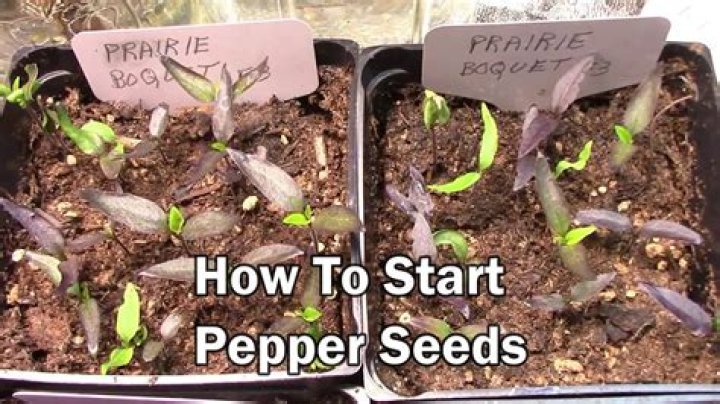
Why are my pepper seeds not germinating?
Number One Reason Pepper Seeds Don't Germinate:We find that the number one reason that pepper seeds don't germinate is if they are kept below 80˚ F when germinating. Pepper seeds, especially hot pepper seeds, germinate much more successfully when kept consistently moist at 85˚-90˚ F during the germination process.
How do you make pepper seeds germinate faster?
Use A Seed Heating MatTemperature is potentially the most important factor in successful seed germination. Most homes are not kept warm enough to be in the ideal temperature range for pepper seed germination. Pepper seeds will germinate most quickly and consistently when the soil is kept between 80-90°F (27-32°C).
How long after planting pepper seeds do they sprout?
Most pepper seeds germinate within 7-21 days but it's good to keep them nice and warm at 80-90˚ F to make sure the seeds sprout. Do not keep them in a cold room or a greenhouse that gets cold at night – they need consistent 80-90˚ F temperatures to ensure best germination.Are peppers hard to grow from seed?
Although starting pepper plants from seeds at home is generally a fairly straightforward operation, some peppers can be difficult to grow from seeds and, as a whole, require slightly more babying. For example, they like it warm, especially the hot peppers.How Long Does It Take Pepper Seeds to Germinate?
What month do you plant pepper seeds?
Peppers need warmth and sunshine to thrive. Warmth is especially important for germination and then to encourage strong growth of the seedlings, so they will need to be started indoors or under cover in most climates. Sow seeds in late winter or early spring, no more than two months before your last frost date.How often should I water pepper plants?
We recommend watering after the soil has dried somewhat. During the longest hottest days of summer, that may be every day. During cooler weather and during spring and fall you may only need to water them every 2-3 days. The best bet is to feel the top layer of soil to see if it's moist, if it is, wait before watering.Do peppers take longer to germinate than tomatoes?
The length of time it takes for your seeds to germinate is heavily related to soil temperature. Tomato seeds should germinate within 5-6 days if you can keep the soil temperature around 80º F. Peppers take a little longer with a little higher temperature (7-8 days at 85º F).Do peppers need light to germinate?
Peppers seeds can germinate without light. However, seedlings will need light to grow. So, transplant your pepper seedlings into soil where they will get plenty of sun. If you are growing them indoors, put them near a window or under a grow light.Why arent my peppers growing?
You'll find once the hot weather arrives and the soil warms up, the peppers should start taking off. Also, be sure they are planted in full sun (6-8 hours+) and that you're not overwatering your pepper plants as soggy roots are one of the most common reasons for stunted and unhealthy, slow-growing pepper plants.Should I soak my pepper seeds before planting?
Soaking pepper seeds speeds germination. Try a two to eight hour soak, until seeds sink to the bottom of the cup. Although you could use plain water, a solution of hydrogen peroxide or weak chamomile tea may help to break down the seed coat as well as to disinfect the seed.Why are my pepper seedlings growing so slow?
So, why are your peppers growing so slow? Peppers grow slowly in cool temperatures – they are a tropical plant, and grow best at daytime temperatures of 70 to 85 degrees Fahrenheit (21 to 29 degrees Celsius). Peppers will also grow slowly due to improper watering, soil problems, or transplant shock.How long does pepper take to grow?
About Bell Peppers. Peppers have a long growing season (60 to 90 days), so most home gardeners buy starter pepper plants at the garden nursery rather than grow them from seed. However, you can start pepper seeds indoors if you want to grow your own.How much water do pepper seeds need?
Pepper Seedling Watering, Fertilizing & Disease PreventionUse a well-drained growing medium in the cells, and take care not to overwater the seedlings; wait until the soil is dry before watering again. Water once or twice a week with a fertilizer solution diluted to 100 ppm.
