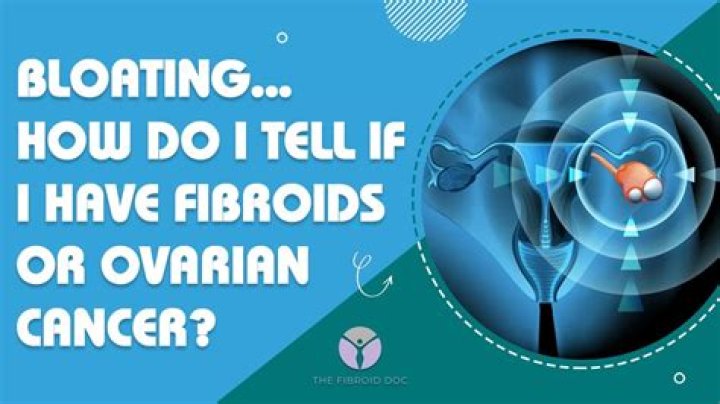
Pathologists look at fibroids under a microscope and count the dividing cells, called mitotic figures. When they see at least ten mitotic figures under a high-power lens, the fibroid is said to be a cancer. If a cancer is hiding in your fibroid, the ramifications can be catastrophic.
What are the symptoms of cancerous uterine fibroids?
In women who have symptoms, the most common signs and symptoms of uterine fibroids include:
- Heavy menstrual bleeding.
- Menstrual periods lasting more than a week.
- Pelvic pressure or pain.
- Frequent urination.
- Difficulty emptying the bladder.
- Constipation.
- Backache or leg pains.
How do you detect a cancerous fibroid?
If you have symptoms of uterine fibroids, your doctor may order these tests: Ultrasound. If confirmation is needed, your doctor may order an ultrasound. It uses sound waves to get a picture of your uterus to confirm the diagnosis and to map and measure fibroids.What happens if a fibroid is cancerous?
In addition to symptoms associated with benign uterine fibroids, signs that a fibroid may be cancerous include: Quick fibroid growth that can cause stomach pain. Post-menopausal bleeding. Anemia from heavy bleeding that can result in fatigue.Can a fibroid turn into cancer?
Can fibroids turn into cancer? Fibroids are almost always benign (not cancerous). Rarely (less than one in 1,000) a cancerous fibroid will occur. This is called leiomyosarcoma.Uterine Fibroids & Uterine Cancer: Is There a Link? | Oakdale OBGYN
Can an ultrasound detect cancer in the uterus?
If you have symptoms, your doctor may perform an endometrial biopsy or a transvaginal ultrasound. These tests can be used to help diagnose or rule out uterine cancer. Your doctor may do this test in his or her office, or may refer you to another doctor.Is a biopsy necessary for fibroids?
Fibroids are muscular tumors that grow on the uterine walls and are usually benign. While most women don't experience any painful symptoms, some severe cases require an endometrial biopsy, where a small tissue sample is taken from the lining of the uterus.When should you worry about fibroids?
Fibroids also don't appear to increase the risk of other cancers of the uterus. Since fibroids typically shrink after menopause, postmenopausal women should see their doctor right away if they notice or feel any new, fast-growing tumors in their uterus. 7.What size fibroids need surgery?
Most experts believe that about 9-10 centimeters (about 4 inches) diameter is the largest size fibroid that should be removed laparoscopically.Are fibroids life threatening?
Fibroids are not life-threatening, but depending on their location in the uterus and their size, they can create pain and discomfort, which can be remedied with medical attention.Are large fibroids cancerous?
Fibroids are not cancerous and do not increase the risk for uterine cancer. It is not known what causes fibroids, but studies suggest genetics and prolonged exposure to estrogen may increase your risk of developing fibroids.What is considered a large fibroid?
The Sizes Of Uterine Fibroids Range From Small to Large:Small Fibroids can be less than 1 cm to 5 cm, the size of a seed to a cherry. Medium Fibroids range from 5 cm to 10 cm, the size of a plum to an orange. Large Fibroids can be 10 cm or more, ranging from the size of a grapefruit to a watermelon.
