Retinol can help reduce discoloration, fine lines, wrinkles and skin texture. Plus, it can improve skin tone and color for generally younger-looking, even skin.
Does retinol help with skin tone?
It just really does everything.” Among the many benefits of retinol, it can increase cell turnover and stimulate collagen and elastin production. It can increase the appearance of firmness by plumping up fine lines and wrinkles. It can improve uneven skin tone, treat pigmentation and smooth the surface of skin.Does retinol make skin glow?
As retinoids repair the skin, fine lines fade; large oil glands diminish in size, and the skin takes on a more even, smooth tone and texture. Retinoids may also stimulate more blood flow in the skin, giving a healthy, rosy glow.Is retinol good for brightening?
No, retinol is not a skin lightening agent and will not lighten your skin. However, retinol does remove dead skin cells revealing a more even complexion. So retinol won't lighten your skin, but retinol will help even/blend out any hyperpigmentation.Does retinol permanently lighten skin?
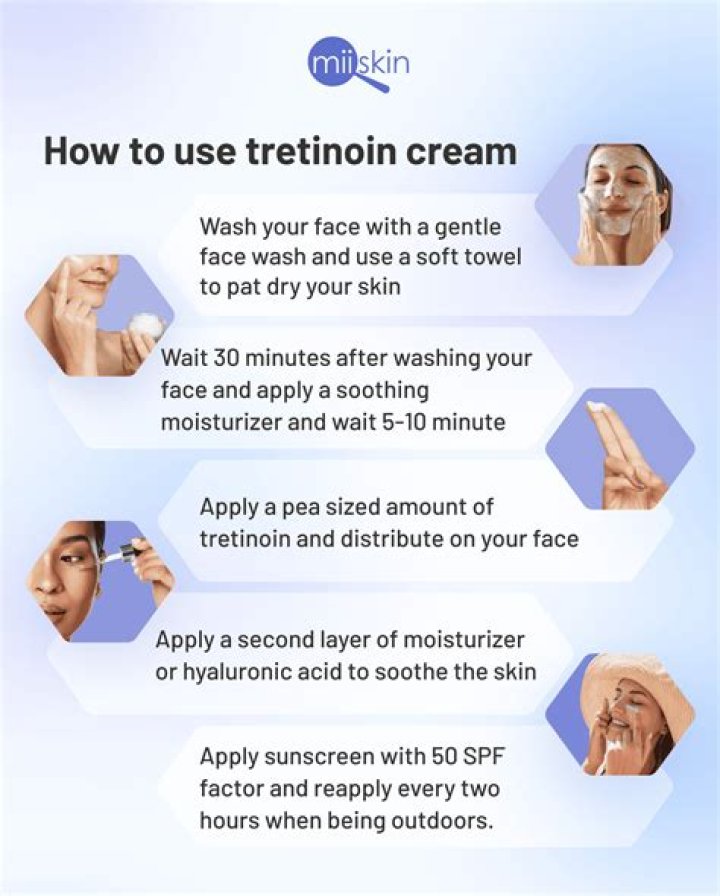
In short, while tretinoin might slightly lighten your skin tone with long-term use over weeks or months, it's not a skin “bleaching” agent or lightening product. Any lightening effects from tretinoin are secondary to its primary effects as an anti-aging and acne treatment.How to Use a Retinoid like a Dermatologist
Does retinol make you age faster?
Retinoids reduce fine lines and wrinkles by increasing the production of collagen. They also stimulate the production of new blood vessels in the skin, which improves skin color. Additional benefits include fading age spots and softening rough patches of skin.Can retinol make skin darker?
These pigmentation issues are also more noticeable in those with a darker complexion. Unfortunately, it can take a long time to go away. Now going back to the original question whether or not retinols and acids can darken your skin. The answer is YES!How retinol changed my skin?
Retinoids (the umbrella term for all vitamin-A derivatives, like retinol) sink into your skin and trigger faster cell turnover and collagen production, creating newer, smoother, skin. And all of that means pores stay clear, breakouts diminish, fine lines soften, and acne scars fade.Which is better retinol or vitamin C?
While vitamin C is most notable for helping to brighten and improve hyperpigmentation, retinol is typically considered best-in-class for wrinkles and fine lines. If you really want to give your skin a one-two punch, you can also try incorporating both into your routine.What age should you start using retinol?
While there's no right or wrong age to begin using retinol, most dermatologists recommend fitting it into your skin care routine during your 20s. The reason? "The production of collagen fibers starts to decline in our 20s," explains Dr.Should I use retinol everyday?
Retinol can be used every day but needs time to workAfter you've built up your skin's tolerance to retinol, it's perfectly safe to use every day. Even users in their 20s can see improvements to their skin when retinol is part of their daily routine.
Does retinol lighten dark spots?
Retinoids minimize the appearance of wrinkles, bolster skin's thickness and elasticity, slow the breakdown of collagen (which helps keep skin firm), and lighten brown spots caused by sun exposure.Is retinol Good for under eyes?
Should you use retinol under your eyes? Yes, definitely. While it is true that retinol – a form of vitamin A – is a powerful ingredient and the skin under your eyes is delicate, there's no reason why you should miss out on the amazing benefits of retinol.What happens when you start using retinol?
With retinoids, it's often a “worse-before-better” type of situation. Typical side effects include dryness, tightness, peeling, and redness — especially when first starting out. These side effects usually subside after two to four weeks until the skin acclimates. Your skin will thank you later!When should I stop using retinol?
Discontinue use if you have negative side effects after a few weeks of use and contact your physician to help reassess your skin type and find a solution that will protect your skin barrier . Consider using moisturizing and soothing topical skin care products with retinol to counteract its negative side effects.What are the side effects of using retinol?
Side effects of using retinol may include:
- Redness.
- Irritation.
- Burning.
- Itching.
- Dry skin.
- Flaking and peeling of the skin.
- Increased sensitivity to the sun.
- Skin cancer.
